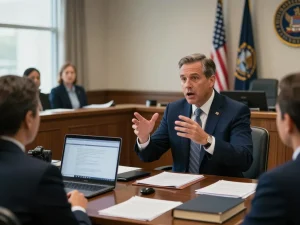
Understanding the Essentials of Contracts and Grants for Your Projects

Introduction to Contracts and Grants
In the realm of project funding and fiscal management, understanding the intricacies of contracts and grants is crucial for success. Whether you are an established organization or a budding entrepreneur, knowing how to navigate these two forms of financial support can determine the trajectory of your endeavors. In this guide, we will delve deeply into contracts and grants, exploring their significance, differences, and essential practices for managing them effectively.
What Are Contracts and Grants?
Contracts and grants, while both reliable sources of funding, serve distinct purposes and are governed by different sets of rules. A contract is a legally binding agreement between two or more parties where each party agrees to fulfill specific obligations in exchange for something of value, often financial compensation. Contracts outline detailed terms, conditions, deliverables, timelines, and payment schedules.
On the other hand, a grant is typically a form of financial assistance that does not require repayment and is often contingent upon the achievement of certain objectives or projects. Grants are commonly awarded by governmental bodies, foundations, or other organizations to support initiatives that align with their objectives or mission. Unlike contracts, grants are not usually considered a commercial transaction; they focus on providing support without the expectation of profit for the funder.
The Importance of Contracts and Grants
The significance of contracts and grants in project management cannot be overstated. Both mechanisms can provide essential funding that enables individuals and organizations to undertake various initiatives ranging from research and community projects to business development and public service initiatives.
Contracts serve as vital tools for establishing clear expectations and mutual obligations between involved parties. They ensure that resources are allocated effectively and facilitate accountability. Grants, meanwhile, can offer organizations the opportunity to innovate without the burden of financial repayment, making them especially important for nonprofits and research institutions looking to foster social change or advance knowledge.
Key Differences Between Contracts and Grants
- Purpose: Contracts are designed for economic exchanges, while grants are intended to promote a specific outcome or public benefit.
- Control and Oversight: Contracts allow for greater oversight by the funding party, whereas grants typically provide more flexibility in how funds can be used.
- Requirements: Contracts generally include enforced deadlines and specific deliverables, while grants usually have broader objectives that focus on outcomes.
- Funding Type: Contracts usually involve payment for services rendered, while grants are funds given with fewer stipulations regarding financial returns.
Navigating the Application Process
Steps to Apply for Contracts and Grants
Successfully applying for contracts and grants involves several critical steps. Generally, the process consists of the following:
- Research Opportunities: Identify potential contracts or grants that align with your objectives. Various databases and government websites can aid in this search.
- Prepare Documentation: Gather all necessary documents, including proposals, budget summaries, and organizational details. Ensure that your documentation meets all required formatting and submission guidelines.
- Craft Your Proposal: Write a compelling proposal that outlines your project’s goals, methodology, anticipated outcomes, and how you plan to utilize the funding. Clearly articulate the need for funding and demonstrate your capacity to manage the funds responsibly.
- Submit Application: Follow all submission guidelines meticulously and submit your application by the stated deadline.
- Follow Up: After submission, tracking the status of your application and being responsive to any additional needs (clarifications, revisions, etc.) can be beneficial.
Common Application Pitfalls
While navigating the application process, certain pitfalls can undermine your chances of success:
- Lack of Clarity: Vague proposals often confuse reviewers. Being clear and concise about your goals and methodology is essential.
- Ignoring Guidelines: Each funding opportunity has specific guidelines. Ignoring these can lead to automatic disqualification.
- Underestimating Budget Needs: Miscalculations in budget proposals can lead to insufficient funding or application rejection.
- Failure to Demonstrate Impact: Failing to articulate the potential impact of your project can lessen its appeal to reviewers who prioritize measurable outcomes.
How to Improve Your Chances of Success
To enhance the likelihood of securing funding through contracts and grants:
- Tailor Your Proposal: Customize your proposal for each opportunity, aligning it closely with the funder’s mission and priorities.
- Use Data and Evidence: Support your claims with data and case studies to add credibility to your project rationale.
- Engage Stakeholders: Involve stakeholders early in the process to gain insights and bolster your proposal’s relevance.
- Seek Feedback: Before submission, seek out experienced colleagues or mentors who can provide critical feedback on your proposal.
Understanding Compliance and Regulations
Essential Regulations Governing Contracts and Grants
Compliance with regulations is vital for the successful management of contracts and grants. Familiarizing yourself with relevant laws and guidelines can mitigate risks and ensure alignment with funder expectations. Essential regulations may include:
- Federal Acquisition Regulation (FAR) for contracts awarded by federal agencies.
- Office of Management and Budget (OMB) Circulars, which guide financial management for federal grants.
- State-level procurement regulations that dictate how state funds may be utilized.
Best Practices for Maintaining Compliance
To uphold compliance, consider adopting the following best practices:
- Regular Training: Provide consistent training to your team regarding compliance requirements and any updates in regulations.
- Robust Documentation: Maintain detailed records of all contracts and grants activities, including financial transactions, correspondence, and progress reports.
- Internal Audits: Conduct periodic audits to assess adherence to compliance guidelines and rectify any issues before they escalate.
- Collaboration with Legal Advisors: Work with legal experts to remain updated on applicable laws and ensure that all activities adhere to current legal standards.
Pitfalls to Avoid in Compliance Management
While managing compliance, certain pitfalls can lead to serious consequences:
- Neglecting Record-Keeping: Failing to keep adequate records can lead to difficulties during audits or funding reviews.
- Overlooking Changes in Regulations: Regulations evolve, and staying updated is critical to remaining in compliance.
- Inadequate Communication: Ensure that all team members understand compliance requirements, as lapses in understanding can result in mistakes.
- Ignoring Funder Guidelines: Not adhering to specific funder guidelines can lead to penalties including loss of funding.
Evaluating and Managing Contracts and Grants
Performance Metrics for Monitoring Effectiveness
Evaluating the effectiveness of contracts and grants is essential for demonstrating accountability and guiding future initiatives. Important performance metrics may include:
- Achievement of Milestones: Assess whether key project milestones are met on schedule to gauge project progression.
- Budget Adherence: Monitor financial performance relative to the budget to ensure effective resource usage.
- Stakeholder Feedback: Collect feedback from stakeholders on the project’s impact and areas for improvement.
- Long-term Outcomes: Evaluate the sustained effects of the grant or contract beyond the funding period to assess lasting impact.
Strategies for Effective Management
Managing contracts and grants effectively requires strategic planning and execution. Consider the following strategies:
- Establish Clear Communication Channels: Regular updates and open communication foster transparency and collaboration among teams and stakeholders.
- Create a Project Management Plan: Develop a detailed plan that outlines objectives, timelines, roles, and responsibilities to guide the project.
- Utilize Project Management Tools: Leverage software tools that aid in tracking progress, finances, and reporting.
- Maintain Flexibility: Be prepared to adapt your strategies based on feedback or unforeseen challenges.
Common Challenges and Solutions
Contract and grant management can present various challenges, but proactive strategies can mitigate these obstacles:
- Challenge: Limited Resources: Solution: Prioritize high-impact projects and consider collaborative partnerships to share burdens.
- Challenge: Complex Reporting Requirements: Solution: Streamline documentation processes and allocate time for thorough reporting.
- Challenge: Resistance to Change: Solution: Foster a culture of adaptability and continue to communicate the benefits of new approaches.
- Challenge: Misalignment of Objectives: Solution: Regularly revisit project goals and ensure alignment among stakeholders.
Frequently Asked Questions
What are the key components of a contract?
Contracts generally include terms, conditions, rights and responsibilities of each party, and signatures.
How do I find grants for my project?
You can search online databases, government websites, or consult local foundations that offer grants.
What should I do if my application is rejected?
Review feedback provided, analyze your application for weaknesses, and consider reapplying or seeking assistance.
What are the consequences of non-compliance?
Non-compliance can lead to contract termination, financial penalties, or legal repercussions.
How can I track grant performance?
Regularly review and document all project metrics against goals, adjusting strategies as needed for improvement.