
Enhancing Your Cape Cod Homes: Design Ideas for Attached Garages
Understanding Cape Cod Homes
Historical Background of Cape Cod Homes
The origins of cape cod homes can be traced back to the 17th century, specifically in the coastal regions of New England. Adapted to the harsh weather conditions, these homes were designed for utility; their steep roofs allowed snow to slide off easily, while their low chimneys reduced wind resistance. Initially built by English settlers, the use of local materials such as wood and cedar shingles defined their construction. The architecture evolved over the years, but the original Cape Cod aesthetic remains a beloved standard in American home design.
Architectural Features and Styles
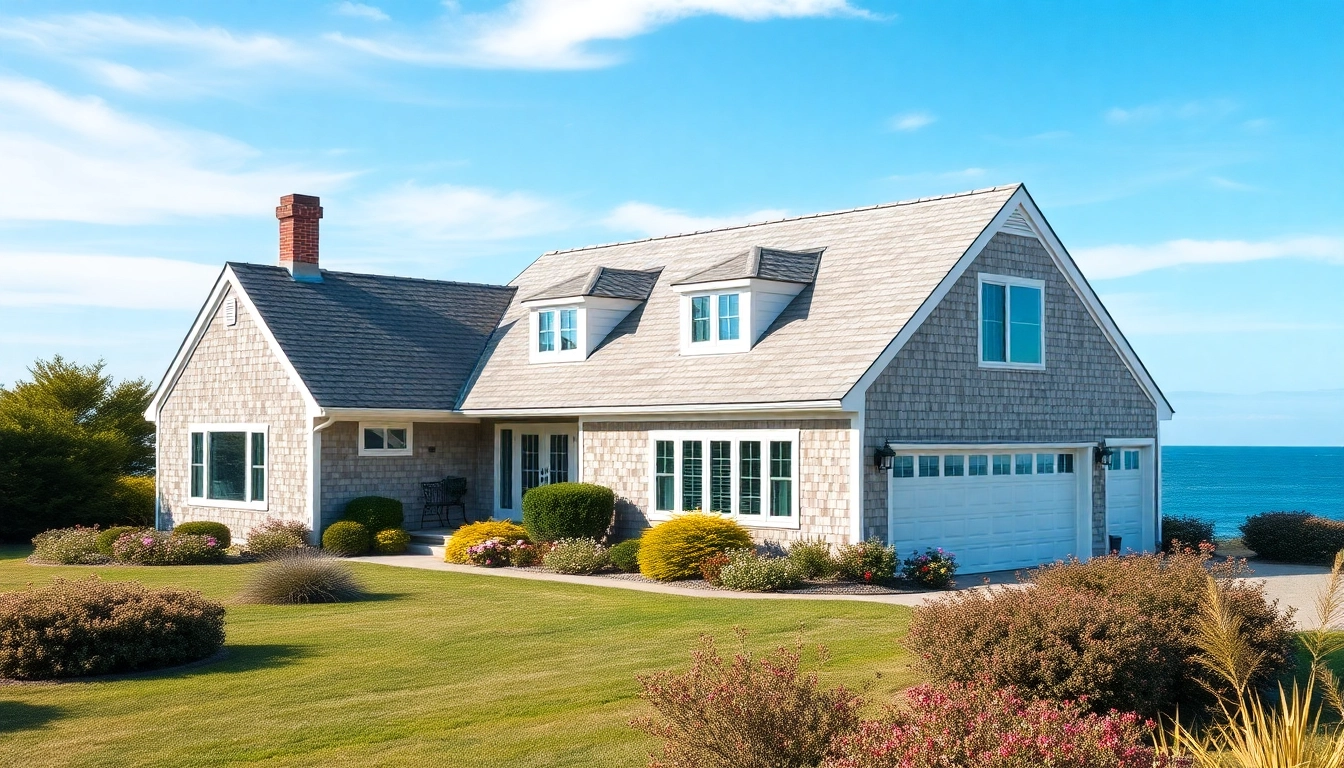
Cape Cod homes are typically characterized by a rectangular, symmetrical shape and simple design that emphasize functionality over frivolity. Key architectural elements include:
- Steep Roofs: Often with a pitch of 45 degrees, these roofs allow for efficient water drainage and snow runoff.
- Dormer Windows: These add aesthetic appeal and much-needed light to the upper levels.
- Shingle Siding: Traditionally made of wood, shingles provide durability and contribute to the coastal charm of these homes.
- Fireplaces: Centralized hearths were a vital source of heat during the colder months.
Modern interpretations of Cape Cod homes have introduced a wider variety of styles, including minimalist approaches and contemporary features while still maintaining the essential elements.
Why Choose Cape Cod Homes?
Choosing to live in a Cape Cod home comes with several advantages:
- Timeless Design: The classic aesthetic is appealing across generations.
- Energy Efficiency: Their compact shape and design are conducive to energy savings.
- Versatile Living: Suitable for year-round or seasonal living, Cape Cod homes adapt easily to diverse lifestyles.
Benefits of Expanding Your Cape Cod Home
Increased Living Space
Expanding your Cape Cod home can significantly enhance your living space. Whether adding a room, extending the kitchen, or integrating an attached garage, thoughtful expansion can accommodate growing families and evolving lifestyles. This not only meets the immediate needs of residents but also allows for entertaining guests more comfortably.
Improved Property Value
An effective home expansion can lead to a substantial increase in the property’s value. Real estate markets often favor homes with additional square footage and modern conveniences. By enhancing your Cape Cod home, you can make it more attractive to future buyers, ensuring a favorable return on investment.
Enhanced Functionality
The right expansion can transform your home into a more functional and organized space. Adding features such as an attached garage can streamline daily routines by providing convenient access to vehicles and storage. Additionally, creating designated areas for activities like crafting or home offices can enhance your quality of life.
Design Strategies for Attached Garages
Complementing Architectural Style
When designing an attached garage for your Cape Cod home, it’s essential to ensure that the structure complements the existing architectural style. Use similar roofing materials, siding, and window styles to maintain a cohesive aesthetic. This approach not only preserves the charm of your home but also enhances curb appeal.
Smart Space Planning
Effective space planning is crucial for maximizing the utility of an attached garage. Consider how the garage will function: Will there be storage for outdoor gear, tools, and recreational items? Ensure adequate space for accessibility and incorporate smart design principles such as built-in shelving or wall hangers to keep the area organized.
Choosing the Right Materials
Utilizing materials that align with the traditional Cape Cod style is essential. Common choices include:
- Wood Shingles: These offer a classic look and integrate well with coastal styles.
- Brick: A durable option that provides a modern twist while retaining the rustic coastal charm.
- Clapboard Siding: Often used in Cape Cod designs, this material is both timeless and maintenance-friendly.
Landscaping Considerations for Cape Cod Homes
Native Plants and Hardscaping
Landscaping plays a vital role in enhancing the appeal of Cape Cod homes. Utilizing native plants can create lush, low-maintenance gardens that thrive in local climates. Consider incorporating hardscaping elements like stone pathways and patios to establish defined outdoor living spaces.
Creating Outdoor Living Spaces
Outdoor living spaces are an essential component of Cape Cod home design. Incorporate features like decks, patios, or gazebos to encourage outdoor enjoyment. Effective use of space can enhance indoor-outdoor flow, allowing residents to enjoy the scenic beauty of their surroundings.
Maintaining Curb Appeal
Maintaining curb appeal is crucial for preserving the charm of your Cape Cod home. Regularly updated landscaping, fresh paint, and well-chosen outdoor furnishings can keep your property looking inviting. Using a cohesive color scheme that reflects the home’s interior can also create a seamless transition between inside and outside.
Common Challenges and Solutions
Budgeting for Home Expansion
Effective budgeting is essential when planning an expansion. Start with a clear estimate of costs, and create a contingency fund for unexpected expenses. Engaging with a financial advisor or contractor can help clarify costs and avoid overspending. Be realistic about what you can afford, and prioritize needs over wants during the planning stage.
Permitting and Regulations
Understanding local zoning laws and building codes is crucial before initiating any home expansion. Research the necessary permits and ensure they are obtained. Working with contractors familiar with local regulations can streamline this process, minimizing delays and complications.
Finding the Right Contractors
Choosing the right contractor to handle your home expansion is vital for ensuring quality work. Seek referrals from friends or family and consult online reviews. Always request detailed quotes and timelines to understand what to expect. Verify credentials and past work to ensure you’re making a sound choice.
FAQs
What defines a Cape Cod home?
A Cape Cod home is characterized by its steep roof, symmetrical design, dormer windows, and shingle siding, rooted in colonial New England architecture.
How does an attached garage benefit a Cape Cod home?
An attached garage enhances convenience, increases property value, and provides additional storage, seamlessly integrating with the home’s aesthetic.
What materials suit Cape Cod home expansions best?
Common materials include wood shingles, brick, and clapboard siding, which complement the traditional design while ensuring durability and maintenance.
How can I maintain the charm of my Cape Cod home during expansion?
Incorporate similar architectural elements, and use color palettes that match or reflect the original design to maintain aesthetic harmony.
What regulations apply to modifying my Cape Cod home?
Local zoning laws and building codes may impose restrictions on expansion. Always consult with local authorities before starting modifications.