Understanding Woodworm Infestation and Its Impact
Woodworm infestation is a pervasive problem that affects wooden structures, furniture, and other items made from timber. These pests, which include various species of wood-boring beetles, can cause significant damage, leading to structural weaknesses and aesthetic degradation. Homeowners and professionals alike face the challenge of addressing these infestations swiftly and effectively. By utilizing innovative solutions like SHASHEL®, it becomes possible to eliminate these destructive insects while preserving the integrity of the wood.
What Is Woodworm and How Does It Affect Wood?
Woodworm refers to the larval stage of wood-boring beetles that primarily feed on wood. When the larvae hatch from eggs laid in timber, they burrow into the wood, creating tunnels as they consume it. This feeding process can weaken beams, furniture, and wooden artifacts, sometimes leading to catastrophic structural failures. The types of woodworm commonly found include *Anobium punctatum* (common furniture beetle) and *Hylotrupes bajulus* (house longhorn beetle), each with its unique characteristics and preferred environments.
Signs of Woodworm Infestation You Should Look For
Identifying a woodworm infestation early is crucial to mitigating damage. Look for the following signs:
- Small round exit holes in wood surfaces, typically about 1-2 mm in diameter.
- Fine dust or frass, which is the waste material produced by larvae.
- Visible tunnels within wood, often revealed when surface layers are disturbed.
- Soft or crumbling wood, indicating extensive feeding damage.
- Presence of dead beetles or larvae near infested areas.
Common Misconceptions About Woodworm Treatment
Many misconceptions surround woodworm treatment, leading to ineffective strategies and further damage. One common belief is that simply treating the visible holes or surface areas is sufficient. However, to effectively eliminate woodworms, it is essential to reach deep into the wood where larvae reside. Another misconception is that all treatment methods are equally effective; in reality, traditional chemical treatments can pose health risks and may not penetrate deeply enough to eliminate larvae.
The Science Behind SHASHEL® Microwave Technology
Utilizing advanced technology, SHASHEL® offers a revolutionary approach to woodworm elimination. Unlike traditional chemical treatments, which can leave harmful residues, SHASHEL® uses microwave energy to effectively target and eradicate wood-boring insects.
How SHASHEL® Works: The Microwave Process Explained
The SHASHEL® system operates by emitting microwave energy that heats the wood to temperatures lethal to woodworms. This method penetrates deeply into the wood, ensuring that even larvae nestled deep inside are exterminated. The microwaves cause rapid heating of the insect's body, leading to dehydration and death without harming the surrounding wood.
Benefits of Using SHASHEL® for Woodworm Elimination
The advantages of the SHASHEL® system are numerous:
- Chemical-Free Treatment: As a non-toxic solution, SHASHEL® eliminates the risks associated with chemical residues, making it safe for both indoor and outdoor use.
- Rapid Results: One treatment session can kill woodworms and their larvae in just minutes, drastically reducing downtime in restoration projects.
- Eco-Friendly: This method adheres to environmentally friendly practices, promoting sustainability in pest control.
- Versatile Applications: SHASHEL® can be employed in various settings, including homes, museums, and warehouses, making it suitable for a wide range of projects.
Comparative Analysis: Microwave Technology vs Traditional Methods
When comparing SHASHEL®’s microwave technology to traditional methods of woodworm treatment, several distinctions arise. Traditional methods mainly involve the use of chemical insecticides, which can be less effective due to their inability to penetrate deeply into the wood. They also pose potential health hazards for inhabitants. In contrast, microwave treatment offers a quick, powerful, and eco-friendly solution without the need for toxic chemicals or extensive application processes.
Step-by-Step Guide to Using SHASHEL® Devices
For those looking to utilize SHASHEL® devices for woodworm elimination, following a structured approach is key to achieving effective results.
Preparing Your Workspace for Effective Treatment
Before starting the treatment, it's important to prepare your workspace. Ensure that the area is free of obstructions and that you have the necessary protective equipment. Clear out any items from the treatment zone, and check for moisture issues, as damp environments can promote further infestations.
Operating the SHASHEL® Device Safely and Efficiently
When operating the SHASHEL® device, follow these steps:
- Set the device according to the manufacturer’s instructions, adjusting the microwave frequency and duration based on the wood's density.
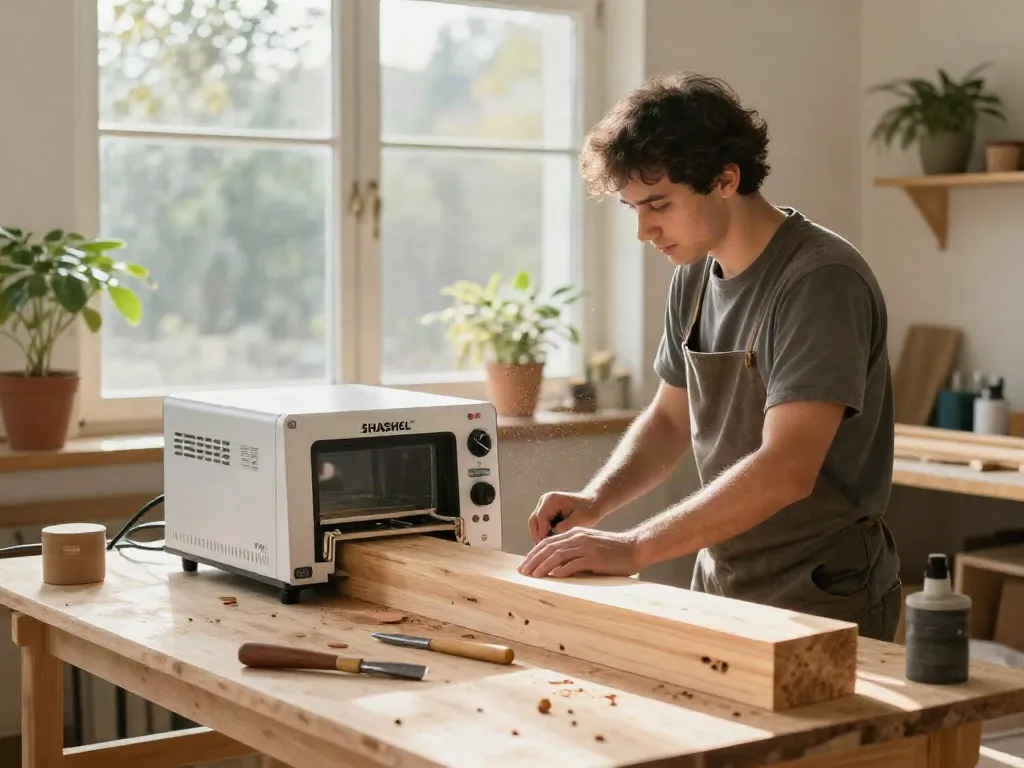
- Position the device accurately on the affected wood, ensuring full contact for effective treatment.
- Monitor the treatment process to ensure that the microwaves are functioning correctly and that the wood reaches the necessary temperatures.
Post-Treatment Steps to Ensure Complete Pest Elimination
After treatment, allow the wood to cool before inspecting for any remaining signs of woodworm. It may also be beneficial to apply a protective sealant to further guard against future infestations. Regular inspections of wooden structures can help catch any issues early on and ensure ongoing pest management.
Real-Life Applications and Success Stories
The effectiveness of SHASHEL® is illustrated through various real-life applications where its technology has proven successful in woodworm eradication.
Case Study: Restoration Projects Using SHASHEL®
A notable case involved the restoration of an old wooden church in Germany. The church's wooden beams were heavily infested, threatening its stability. By employing the SHASHEL® microwave technology, the maintenance team successfully eliminated all wood-boring insects, preserving the church's historical integrity without the use of harmful chemicals.
Customer Testimonials and Feedback on SHASHEL®
Customers who have utilized SHASHEL® devices report high satisfaction rates. Many highlight the simplicity of use combined with the impressive results. One customer noted, “The SHASHEL® system saved my antique furniture from further damage, and I feel confident it will protect my investments for years to come.”
Insights from Industry Professionals on Best Practices
Industry professionals emphasize the importance of regular inspections and proactive treatment. Experts recommend integrating SHASHEL® into routine maintenance schedules, especially in older buildings and historical sites where woodworm infestation is likely to occur.
Future Trends in Wood Treatment and Pest Control
As we look towards the future, innovations in wood treatment and pest control are expected to evolve, offering enhanced solutions for combating wood-boring insects.
Emerging Technologies in Wood Preservation for 2026
In 2026, advancements in technology are projected to bring forth new methods of wood preservation that combine sustainable practices with high efficiency. Techniques such as bioengineering and advanced microencapsulation techniques are in development, promising greater efficacy in pest control.
Predictions for the Future of Eco-Friendly Pest Control
The trend toward eco-friendly pest control solutions will likely continue. As consumers become more environmentally conscious, products like SHASHEL® that rely on safe, non-toxic methods are expected to gain traction in the market.
How SHASHEL® Plans to Lead the Industry in Innovations
SHASHEL® aims to remain at the forefront of the industry by investing in research and development to enhance its product offerings. Continuous innovation is expected to ensure the company can tackle emerging pest challenges while upholding the highest standards of safety and efficiency.
What Other Wood Treatment Methods Are Gaining Popularity?
Other methods, such as biological control and the use of essential oils, are gaining recognition as alternative pest management strategies. These methods, while still developing, highlight the industry's movement toward integrated pest management that emphasizes sustainability.